You stopped drinking.
Now what?

Everyone said quitting was the hard part. You quit. And the life you expected on the other side hasn't shown up. The career you put up with, the relationships you let drift, the person you kept promising to become. Still sitting there.

Sober, stable, and stuck. Quitting was one decision. Everything that comes after is the real work.

You'll stop being the person who was going to. You'll become the person who did.

Keep reading ↓
Why you're still here

Quitting stuck. The rest didn't.

You can name the pattern. You've probably explained it to a friend. You've read enough to understand why you do what you do. And you're still doing it.

You tried therapy

Helps you understand the pattern. You leave with insight. Understanding why you're stuck is one job. Building a life where you're not is a different one.

You tried willpower

Track this, do that, don't break the streak. It works for a while, until it doesn't. You weren't missing a system. You were missing someone who sees the thing you're not telling yourself.

You tried doing it alone

You're the coach and the player. You set the bar, you grade yourself, and you decide when it's ok to skip. The problem was never self-awareness. It was having nobody to call you on it.

The problem isn't that you don't know. It's that nobody is making sure you actually do it.

My story
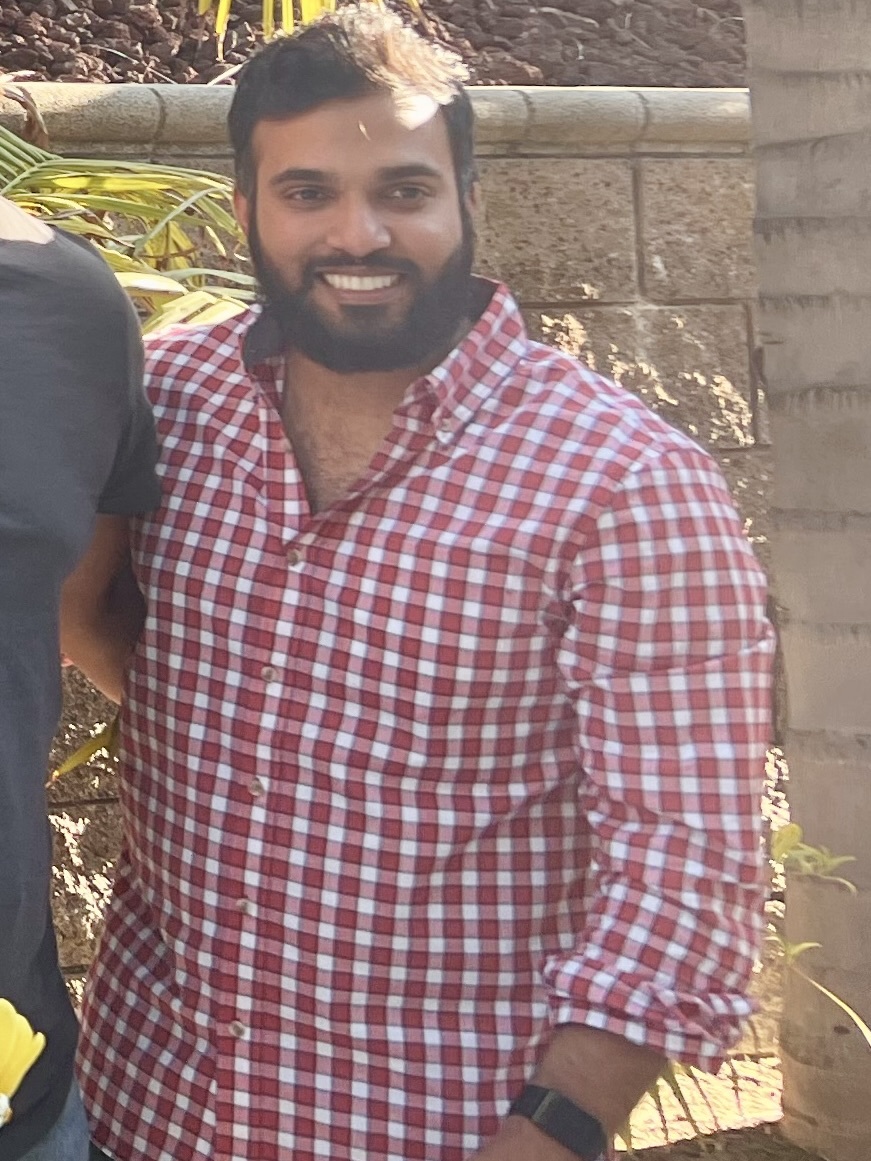
Kishan, during the drinking years
Past
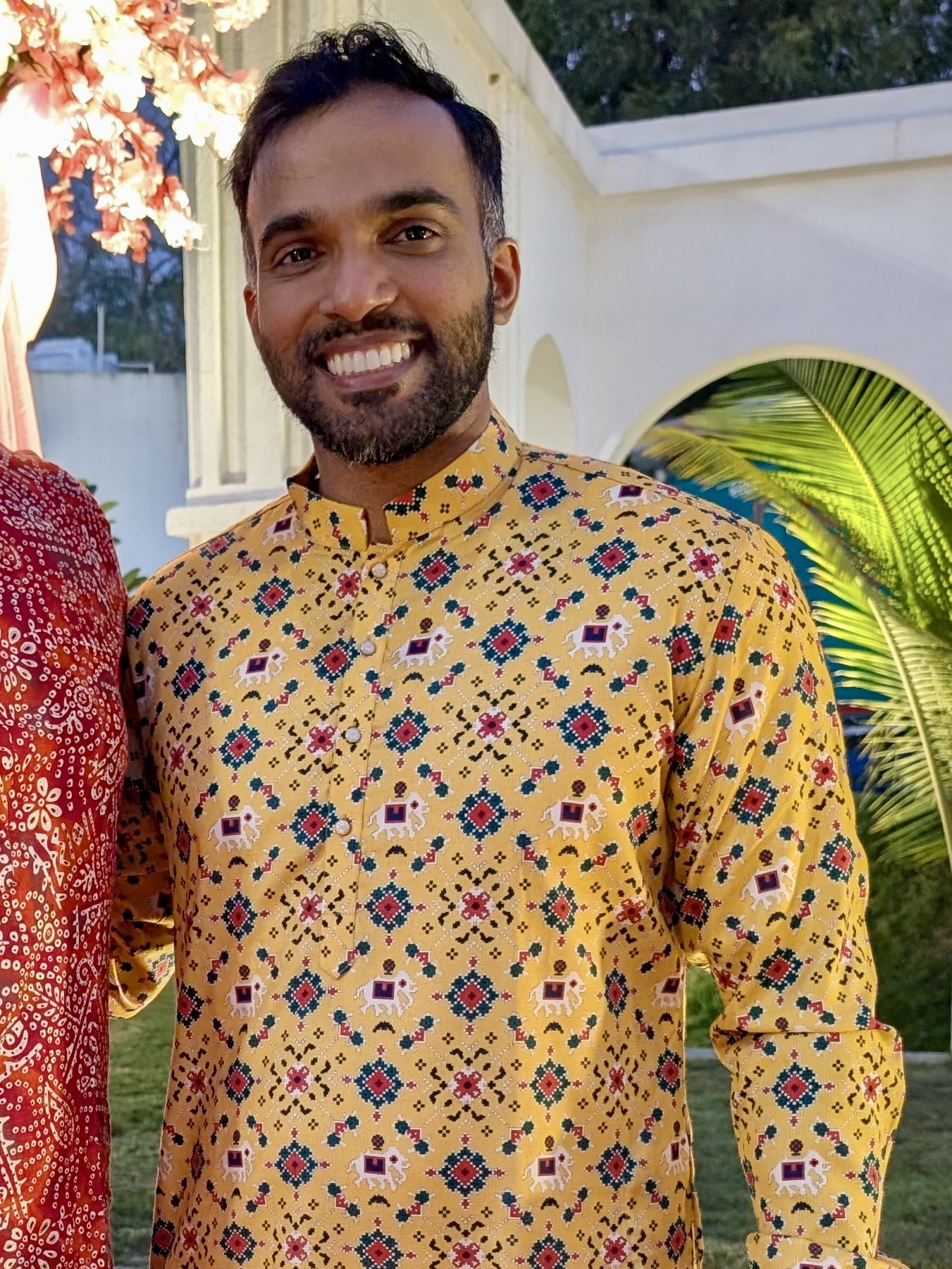
Kishan, present day
Present

You quit drinking and expected everything to get better. It didn't.

For years I read financial statements looking for the one detail that didn't match the story everyone believed. I was good at it. I just never pointed it at myself.

I drank heavily for five years, tried to quit for three, and never made it past two days. I was forgetting conversations, repeating myself, turning into someone I didn't recognize. I tried everything. Hard deadlines, schedule changes, a 10-day silent Vipassana retreat. I still drank at a wedding the night I got out. I held two beliefs at the same time and they were both wrong: I'm fucked, this is the rest of my life. And: it's not that bad, nothing catastrophic has happened, so I can keep going. One made me hopeless, the other kept me stuck.

Then my grandmother died and something cracked. The 13-day mourning period was the longest I'd been sober in years. It gave me hope. A few weeks later a friend asked one question that landed differently than everything else had.

"How do you want to be remembered?"

I'd been creating opportunities to change for years. One finally caught.

Here's what nobody warned me about. Quitting was the easy part. I had to figure out who I was without the most supportive crutch I'd ever had. When I stopped, everything it covered for was still there. The job I didn't care about. The body I'd ignored. The question of what I was actually doing with my life. I was sober, stable, and completely stuck. Everyone celebrates the quit. Nobody tells you it was both the finish line you were promised and the starting line you weren't ready for.

So I rebuilt. Slowly, without a map. I repaired what was broken. I told my parents after my one-year anniversary because I didn't trust myself not to break it early and give them false hope. Seeing the tears in their eyes is something I'll remember for the rest of my life. Some people didn't come back. That's ok.

That was my Rudra moment. The pattern underneath was never alcohol. I knew exactly what I needed to do and I still wouldn't do it. I kept moving the deadline on the person I swore I'd become. Information is not transformation. Otherwise we'd all be fit, rich, and happy. The work is closing the gap between who I think I am and what I actually do. It doesn't close on its own.

I find what's broken in people the way I used to find what's broken in companies. Most people can tell me what they're struggling with. I can tell you what you're avoiding.

The work

90 days. One-on-one. Measured.

Here's exactly what you get.

i Daily tracking

Three actions you pick. Done or not done. If you go quiet for two days, I'll reach out. The tracking is there so we both see what's actually happening instead of what you think is happening.

ii Weekly call

13 weekly calls, one-on-one, each with a theme, built around the weeks where most people start to slip. I review your habits before every call. We dig into what the week actually showed, not what you planned.

iii Direct access

You're not waiting a week to deal with a Wednesday problem.

People show up to the first call with their best face on. Like they don't really need this. I see it immediately because I used to do the same thing.

The result

In 90 days, you'll know exactly what changed: a record of every day you showed up, three markers scored, and a before-and-after you can't argue with. Drinking took years. Being stuck is taking even more.

Client stories

Real clients from the beta. I knew each of them before we worked together. Their results are theirs. Yours depend on you.

Get started

Three steps. No surprises.

What does another year in the same place cost you?

1

Take the assessment

16 questions. See where you're stuck and which pattern is running it.

Free 3 minutes
2

Book a call

We go through your results together. I'll tell you what I see. If it's not a fit, I'll say that too. You'll leave with the pattern named and one action item, whether you move forward or not.

Free 20 minutes
3

The rebuild

Weekly calls, daily tracking, direct access. We measure everything against three markers you choose.

$2501 90 days
Find out what's keeping you stuck.
Read this first

What you should know.

Drinking was my door into this work. It's not the only one. This is for anyone who's already made a break and is now rebuilding. Maybe you quit drinking. Maybe you left a relationship or a career. Or you're staring at a life that doesn't match who you said you'd become. The work is the same: close the gap between who you think you are and what your life actually looks like.

I'm a coach. I'm not a therapist, doctor, psychiatrist, counselor, or licensed mental health professional. I don't diagnose, treat, or advise on any medical or mental health condition. Coaching is not therapy, not treatment, and not a substitute for professional care of any kind. If you need professional support, that's between you and a licensed provider. And if you're drinking heavily every day right now, don't quit cold turkey on your own. See a doctor first. That part is medical, and I don't touch it.

Many of my clients work with a therapist at the same time. Different job. Therapy helps you understand the pattern. I hold you to what you said you'd do about it.

Results depend entirely on you. Nothing is guaranteed.

The newsletter

The part nobody says out loud.